Himalayan Saffron
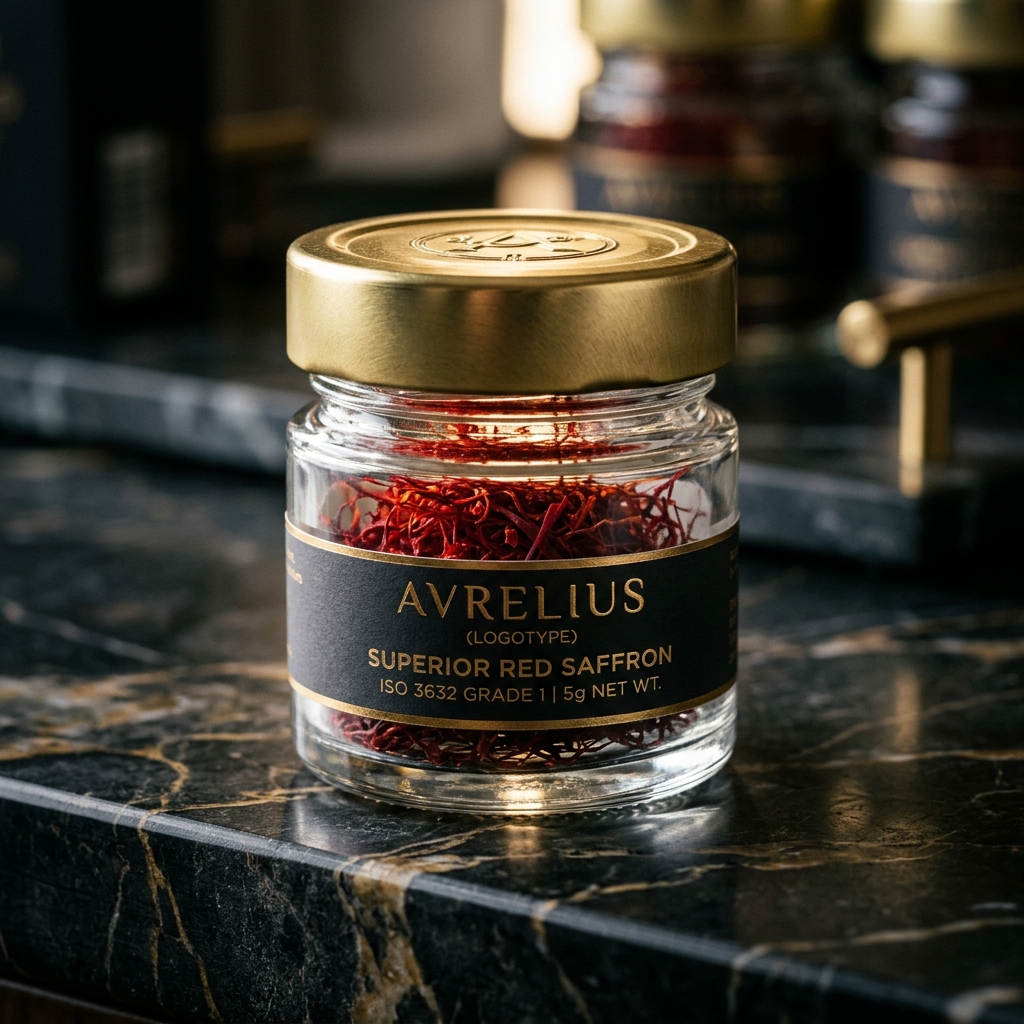
Himalayan Mongra Saffron is internationally recognized as the highest grade saffron in existence. Grown exclusively in the unique volcanic clay sediments (Karewas) of Pampore, it features extra-long, thick stigmas with a deep, dark crimson coloring strength. Harvested by hand during the brief late autumn bloom, it is slow cured under shaded air shelters to protect its delicate molecular compounds.
* For industrial distribution contracts, bulk weights, or customized customs documentation for exports, contact our commercial sales coordinates.
Inquire for Purchase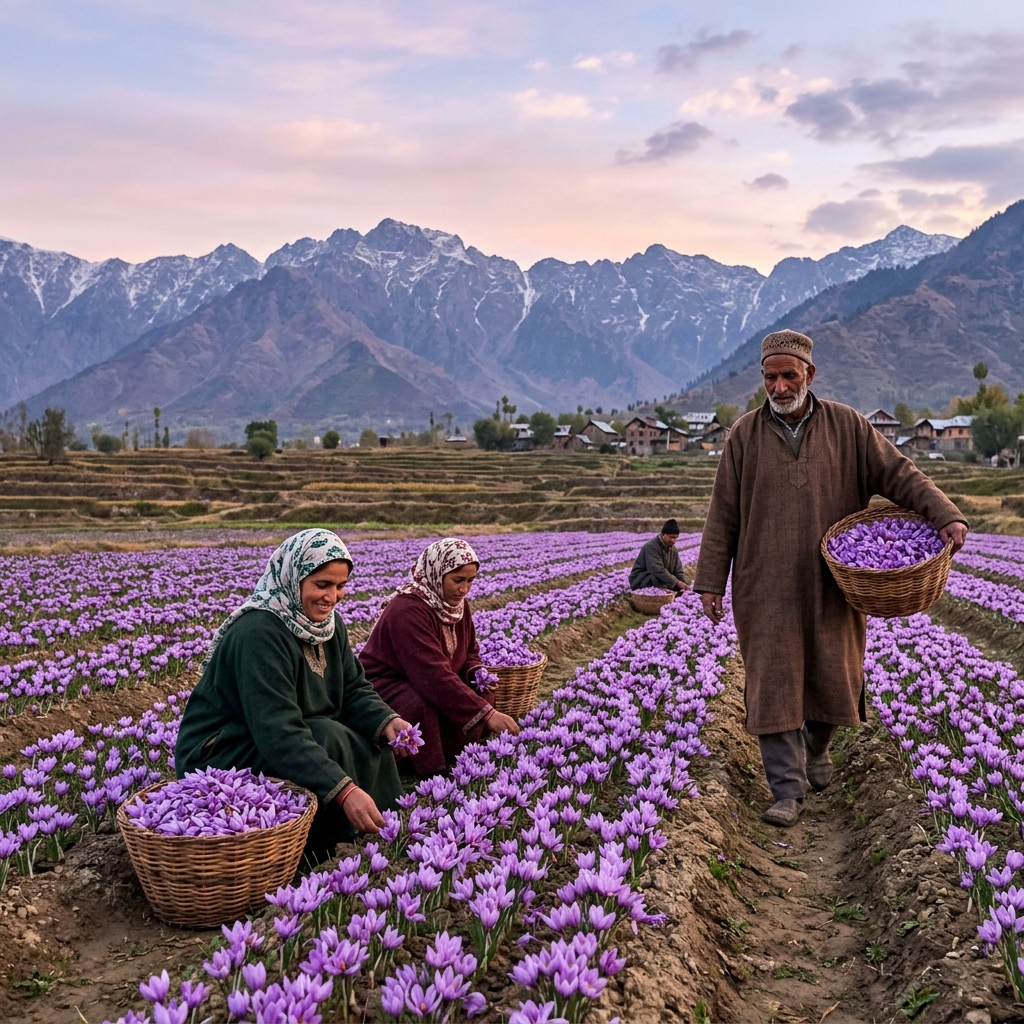
The Dawn Harvest Mechanics
Harvesting saffron requires a strict timeline. The crocus blossoms open only for a two-week cycle in late October. Our gatherers start plucking the flowers at 4:30 AM, before the solar heat can cause the petals to wilt and the stigmas inside to loose moisture.
Once plucked, the flowers are carried in light wicker nets to temperature-controlled separation rooms. Gathering families pluck the three red stigmas from the base of the flower. These threads are immediately sun-cured on parchment sheets, preserving the high concentrations of volatile essential oils.
Molecular Antiviral & Serotonergic Science
Himalayan saffron stands out due to its high concentration of active compounds, clinically verified to support cognitive health:
- Crocin Bio-efficacy: A water-soluble carotenoid pigment that acts as a strong neuroprotective agent, scavenging free radicals.
- Safranal Scent Compounds: Regulates the expression of receptors in the brain, supporting natural serotonin synthesis and emotional balance.
- Epithelial Rejuvenation: Picrocrocin clears cell membranes, improving skin glow and evening out hyperpigmentation.
- Cellular Oxygenation: Enhances systemic blood circulation and regulates high blood cholesterol profiles.
Thermal Bio-Extraction Guide
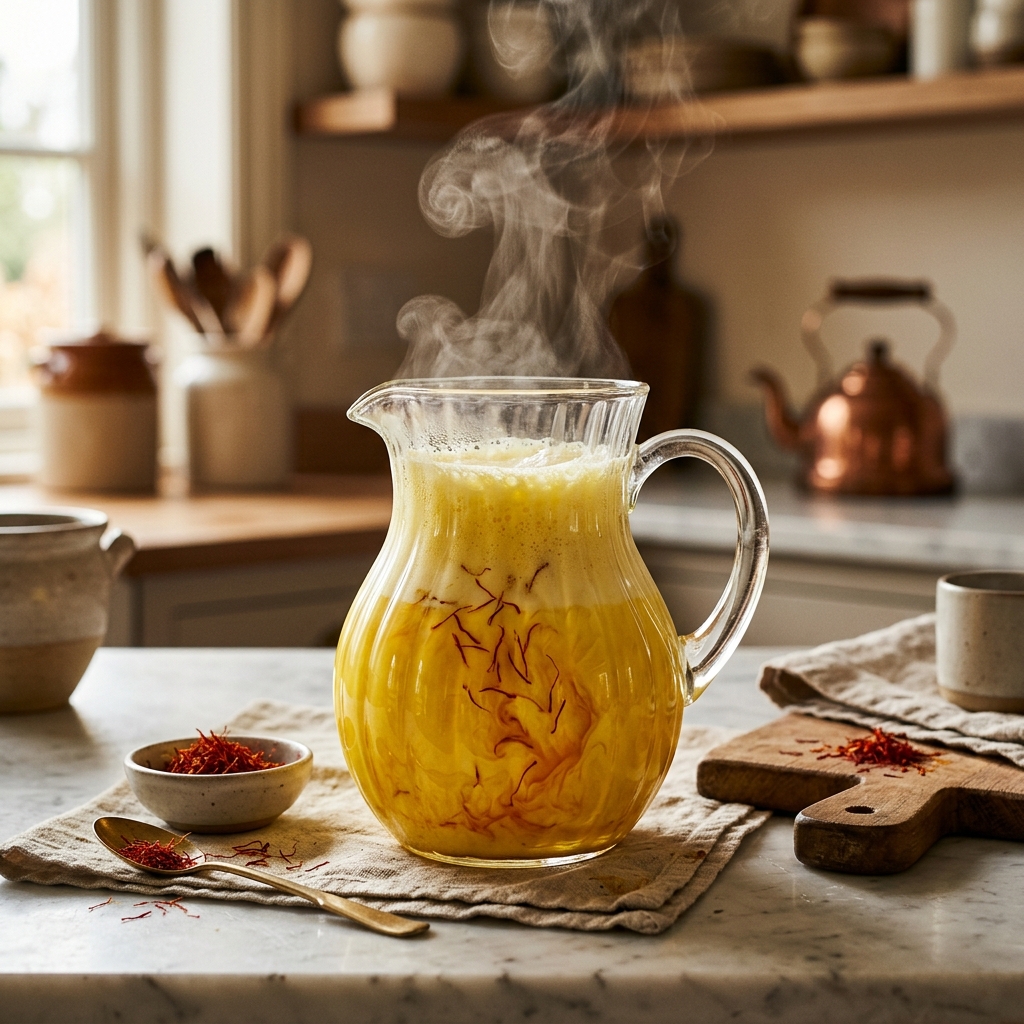
To release the rich color and compounds of saffron, never throw threads directly into boiling fluids. Excessive heat (above 65°C) destroys the color-carrying crocin compounds.
1. Ambient Crushing: Grind 8-10 dry stigmas into a powder using a cold mortar. This exposes the inner cell walls of the plant threads.
2. Water Steeping: Soak the powder in 3 tablespoons of warm liquid (40°C) for 25 minutes. The liquid will slowly bloom into a bright golden yellow as the carotenoids dissolve.
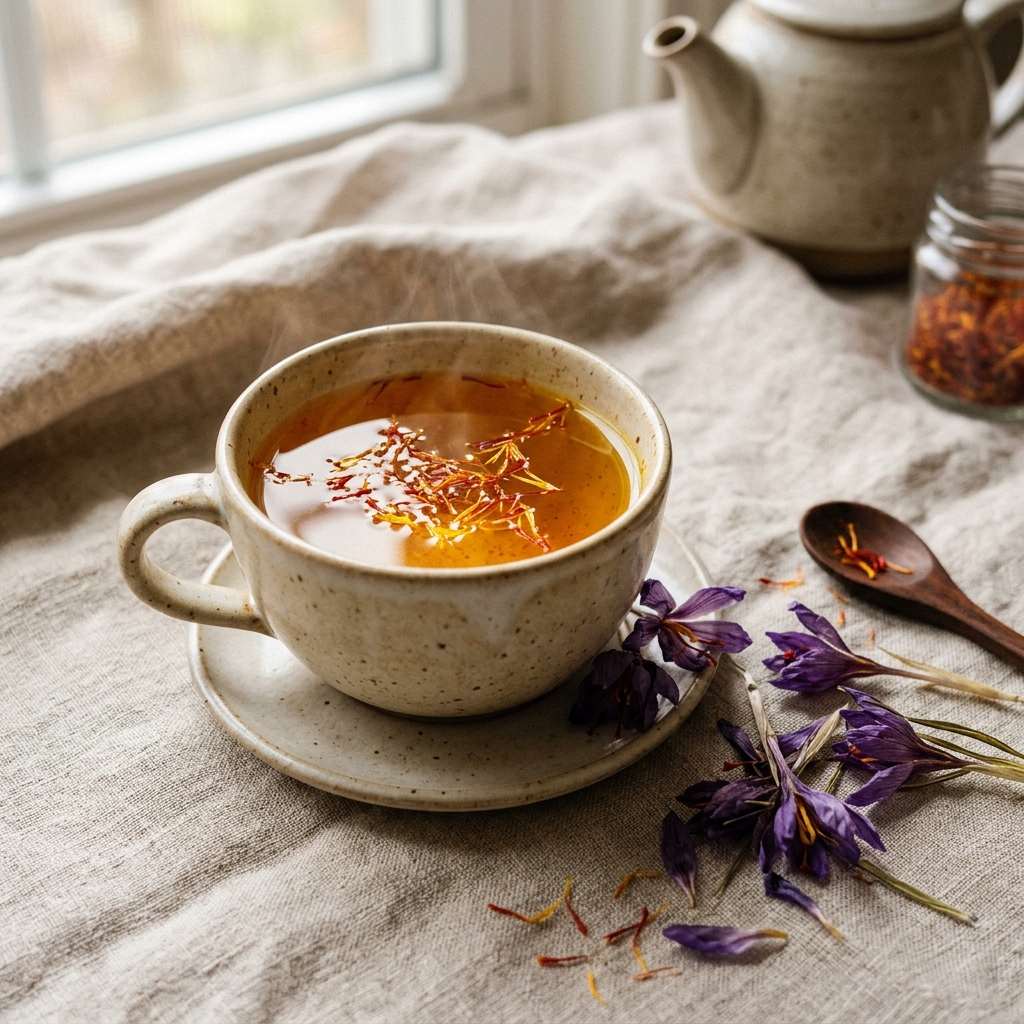
3. Culinary Application: Add this bloomed liquid to dishes (biryanis, risottos, teas) during the last 5 minutes of cooking. This prevents the loss of volatile safranal aroma compounds to steam.
ISO Spectrometry Verification
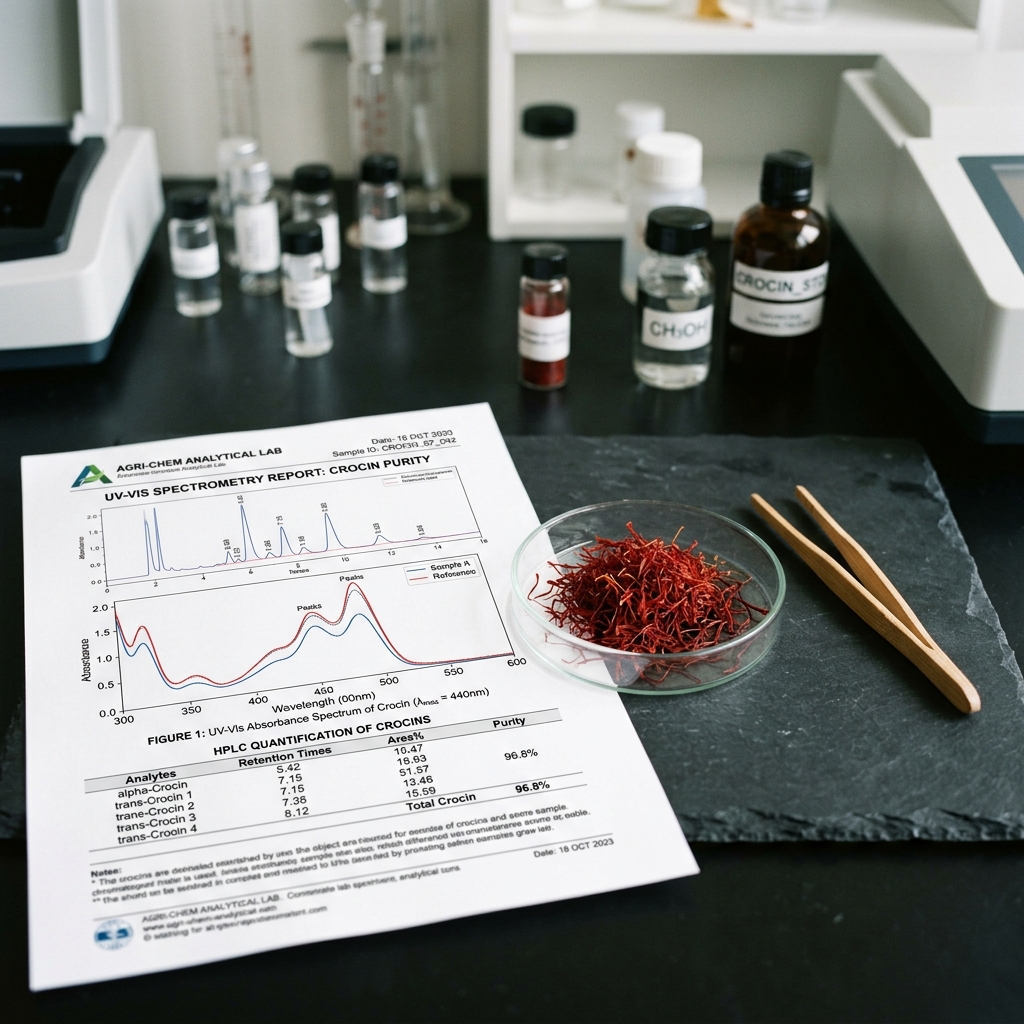
Every harvest of our Himalayan saffron undergoes high-performance liquid chromatography (HPLC) testing in certified laboratory spaces. We analyze the specific absorption curves of the active molecular elements:
- Crocin Index (Coloring Strength): Spectrometry reading exceeding 240, ensuring deep crimson release and maximum antioxidant carotenoid density.
- Safranal (Aromatic Oils): Checked at 250nm wavelength to verify optimal air-curing balance, preserving delicate sweet-hay aroma volatiles.
- Picrocrocin (Glucoside Bitterness): Verified at 85+, establishing clean digestive tonic characteristics.