Gucchi Mushroom
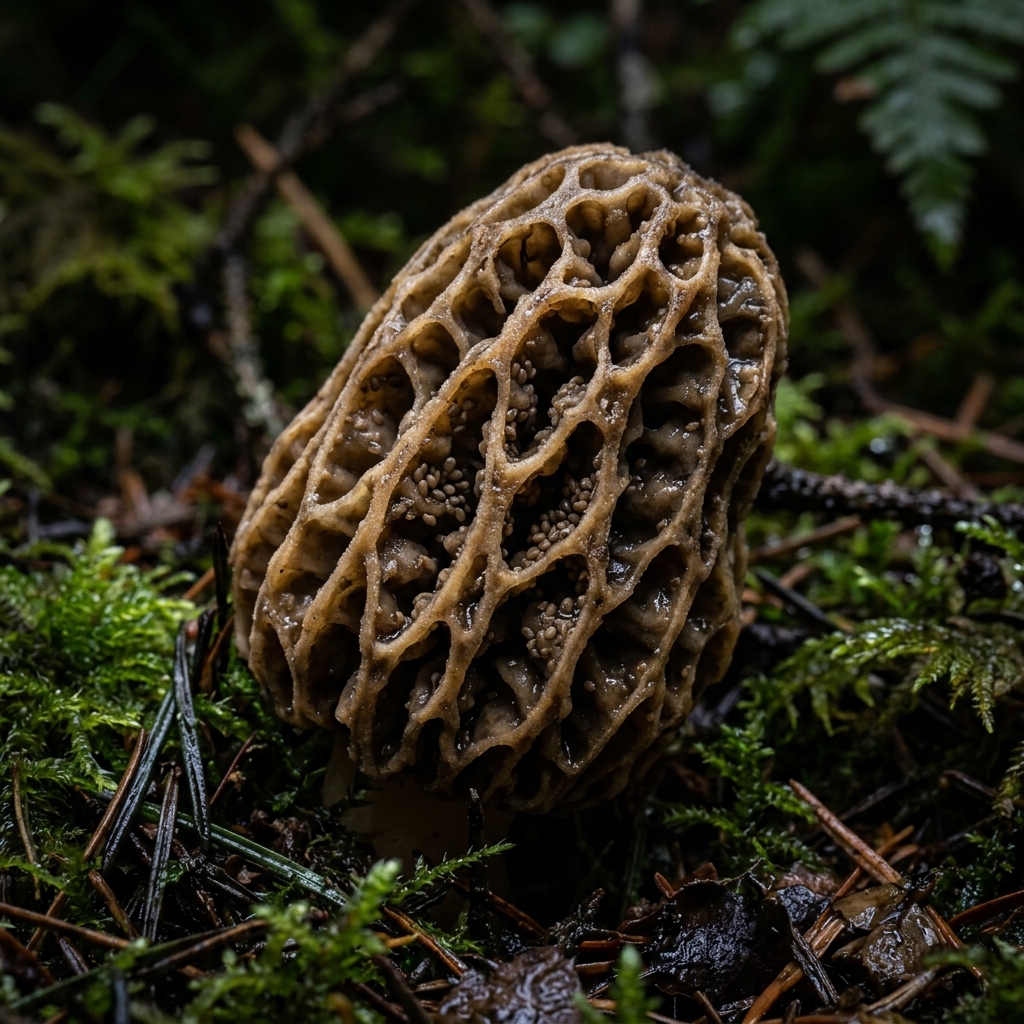
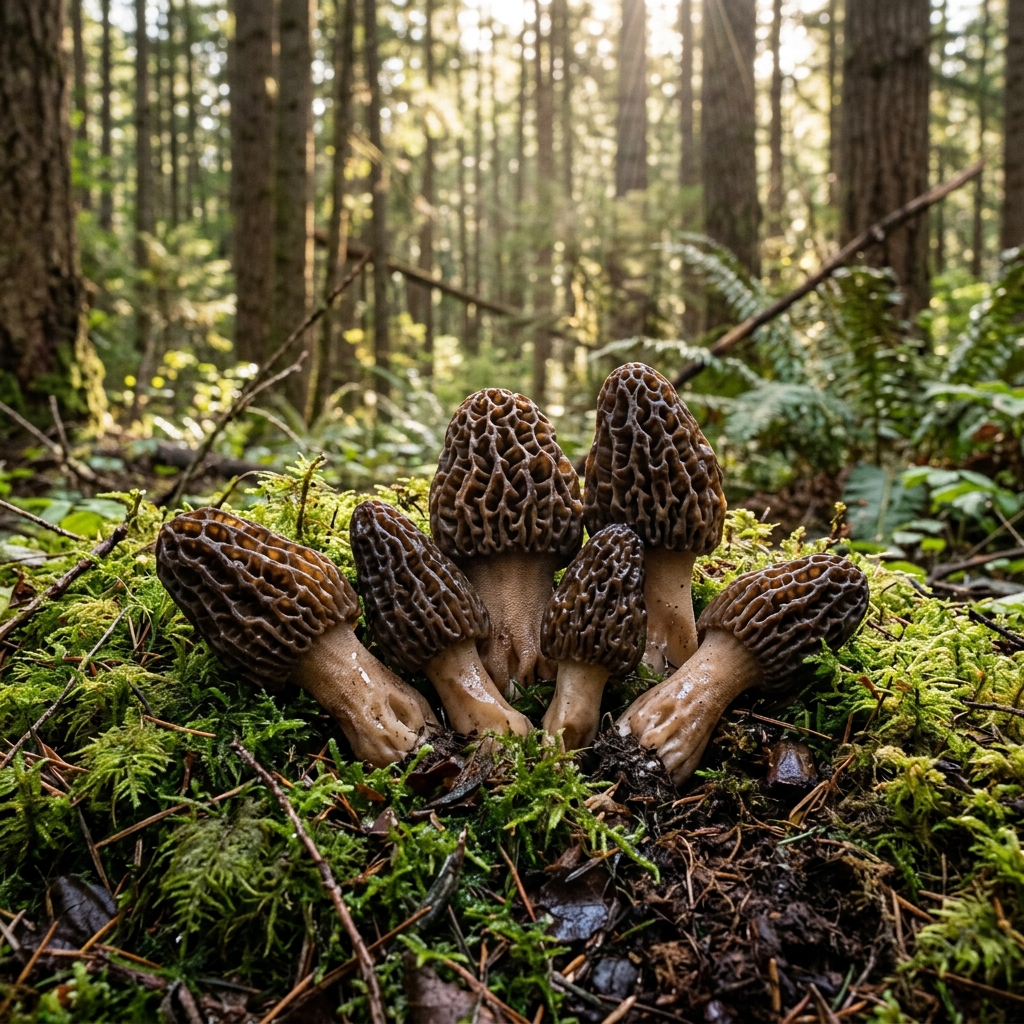
Wild Gucchi (Morel) Mushrooms are among the most prized gourmet fungi globally. Growing entirely in the wild, they resist artificial cultivation. They sprout briefly in deep coniferous cedar forests following spring thunderstorms, drawing nutrients from mineral-rich mountain soil.
* Due to unpredictable forest flushes, waitlist placement guarantees priority allocation when seasonal flushes are cured.
Join the Waitlist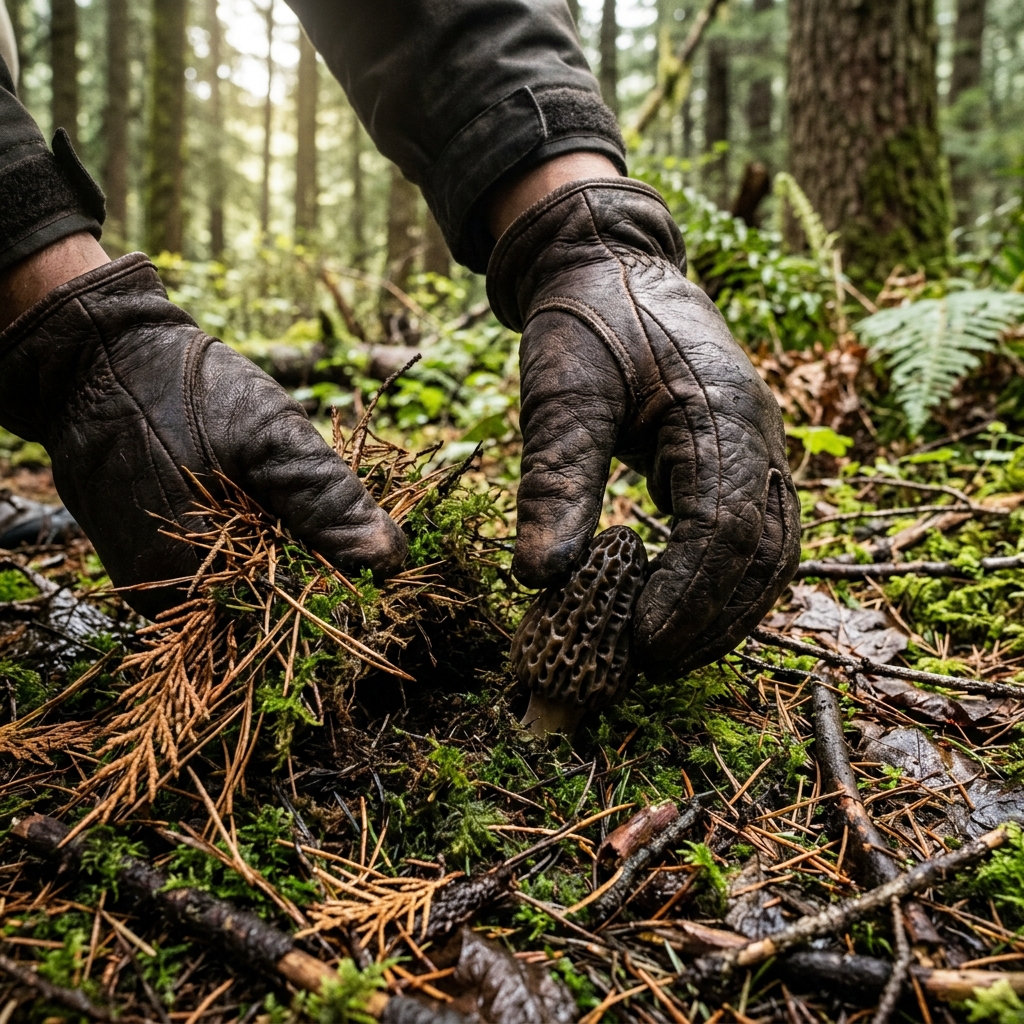
Thunderstorm & Root Mycorrhiza Connections
Gucchi mushrooms grow through complex underground networks (myceliums) connected symbiotically to old pine and cedar tree roots. They fruit only when soil temperatures, moisture, and lightning strikes align.
Lightning discharges split atmospheric nitrogen, creating nitrate compounds that rain carries into the forest soil. This nitrogen flush stimulates the mycelium to sprout its honeycomb caps. Gatherers search steep slopes, matching shapes against leaf litter to locate morels while leaving 40% untouched to release spores.
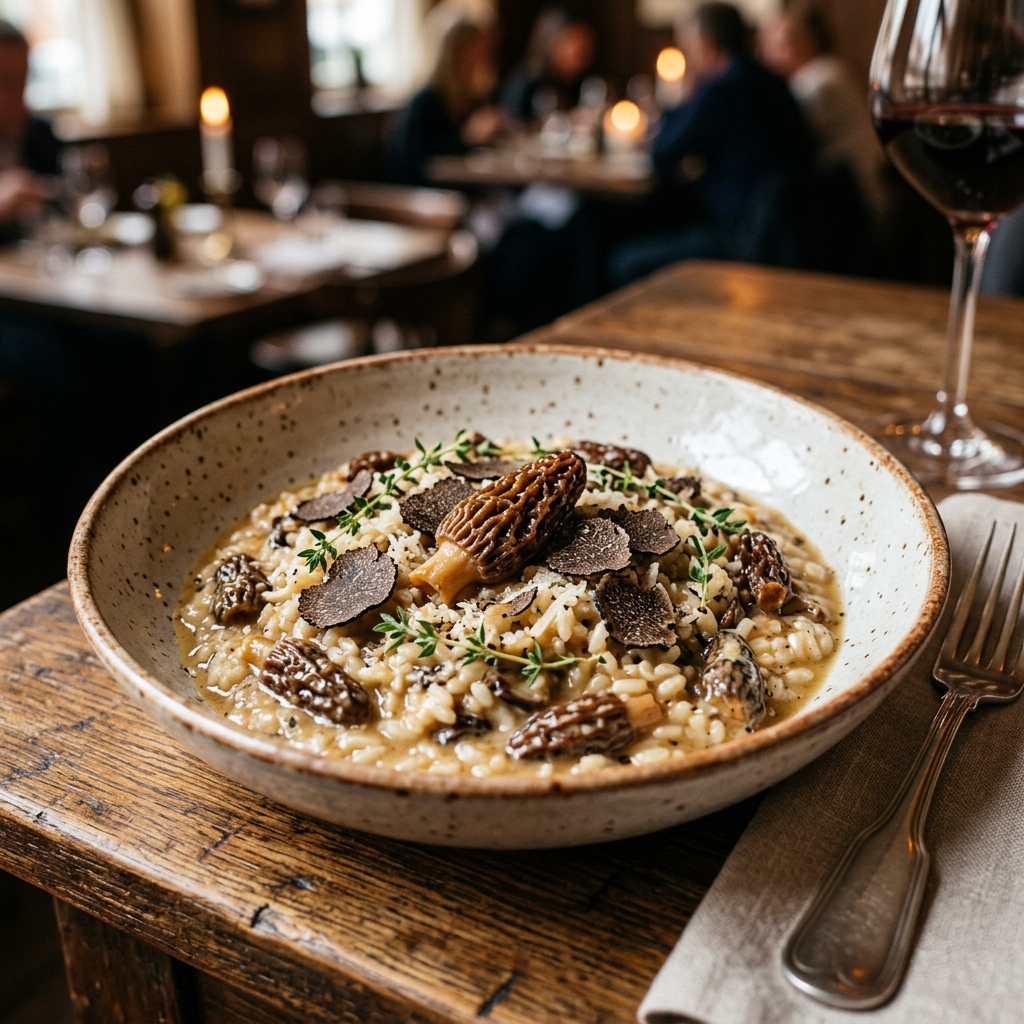
Michelin-Grade Rehydration Science
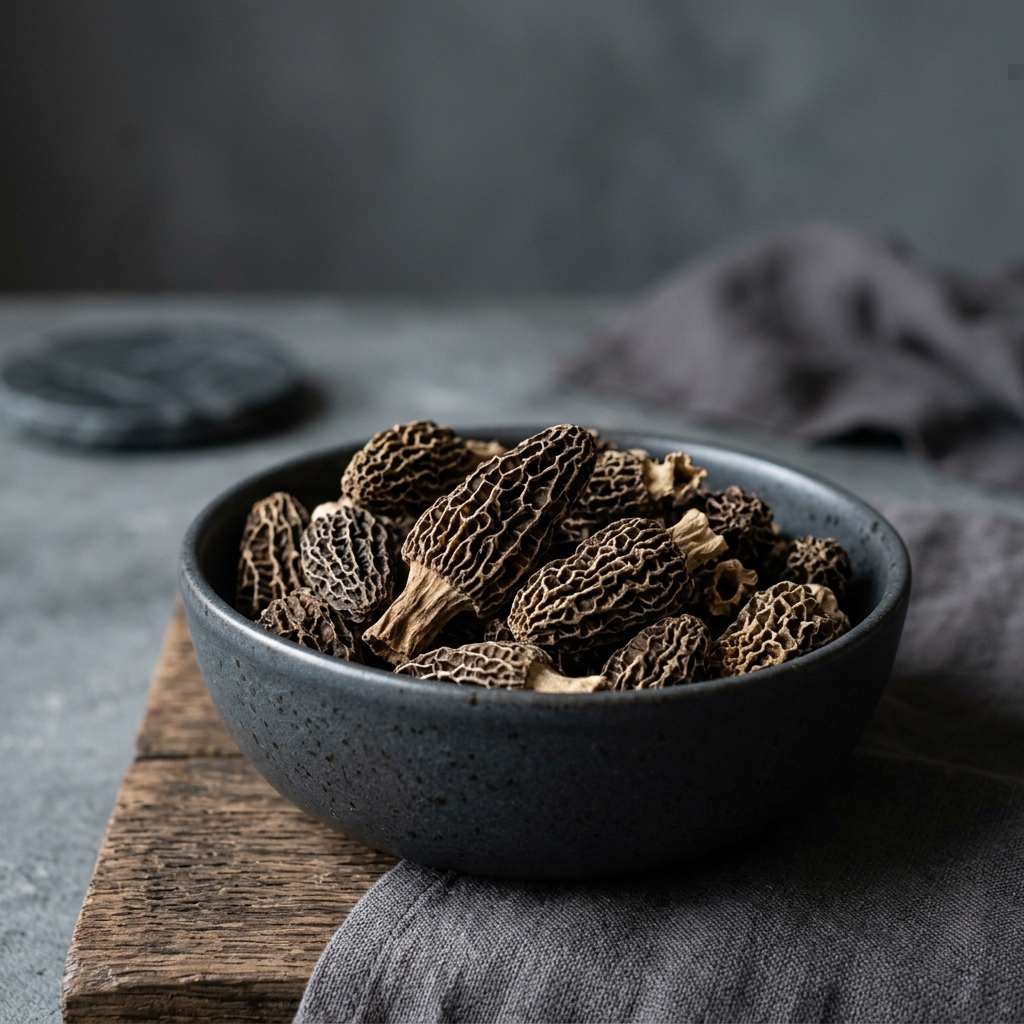
Our wild morels are slowly wood-fire dehydrated to protect cellular fibers. Follow this culinary guide to release their rich flavor compounds:
1. The Cold Wash: Submerge dried Gucchi in salted cold water. Swirl gently for 2 minutes to release forest soil trapped in the honeycomb ridges, then rinse under running water.
2. Steeping: Soak the clean Gucchi in warm water (35°C) for 30 minutes. They absorb 4.5 times their dry weight, turning the water into an aromatic golden-brown stock.
3. Reduction: Strain the soaking stock through a paper filter. Sauté the rehydrated Gucchi in butter or mountain cow ghee, adding the stock reduction during the final glaze.
Vitamin D & High Altitude Minerals
Gucchi morels draw mineral compounds from pure glacial soils, providing several health benefits:
- Vegetarian Vitamin D: Sprouted in wild forests and sun-dried, they absorb high levels of natural Vitamin D.
- Hematopoietic Minerals: Rich in iron and copper, which support red blood cell synthesis and circulation.
- Cardiac Protection: Organic selenium protects blood vessel lining from oxidative damage.
- Soluble Prebiotic Fiber: Protects the intestinal biome and supports healthy digestion.
Preserving Morel Micro-Habiats
Wild Gucchi mushrooms reproduce through microscopic spores released from their honeycomb ridges. Because they cannot be cultivated artificially, protecting their wild habitat is our main priority:
- Spores Retention: We gather Gucchi only after the caps are fully expanded and have shed their spores into the moss beds.
- Mycelial Integrity: Foragers cut the mushroom stem cleanly at ground level, leaving the underground root structures undisturbed.
- Strict Harvest Caps: Harvesting is limited to 60% of visible flushes in any single valley, ensuring natural spore regeneration.